
Solution
Utility bill analytics for source-linked reporting
Parsepoint turns parsed utility bills into reporting-ready data for electricity, gas, water, waste and purchased fuels. Track consumption, demand, cost drivers, anomalies and emissions inputs across your portfolio while preserving links back to source bills.
From raw utility data to actionable energy insights—automatically
Electricity, gas, water, waste, and purchased fuels flow into unified dashboards. Parsepoint calculates GHG emissions with GHGP-aligned factors, benchmarks facilities, and generates audit-ready reports for sustainability disclosures.
- Multi-utility dashboards with real-time analytics
- GHGP-aligned emissions factors for Scope 1 & 2
- Customizable reports and export workflows
Interactive energy dashboards
Visualize consumption patterns, benchmark facilities, and track emissions across your entire portfolio with intuitive, real-time dashboards.
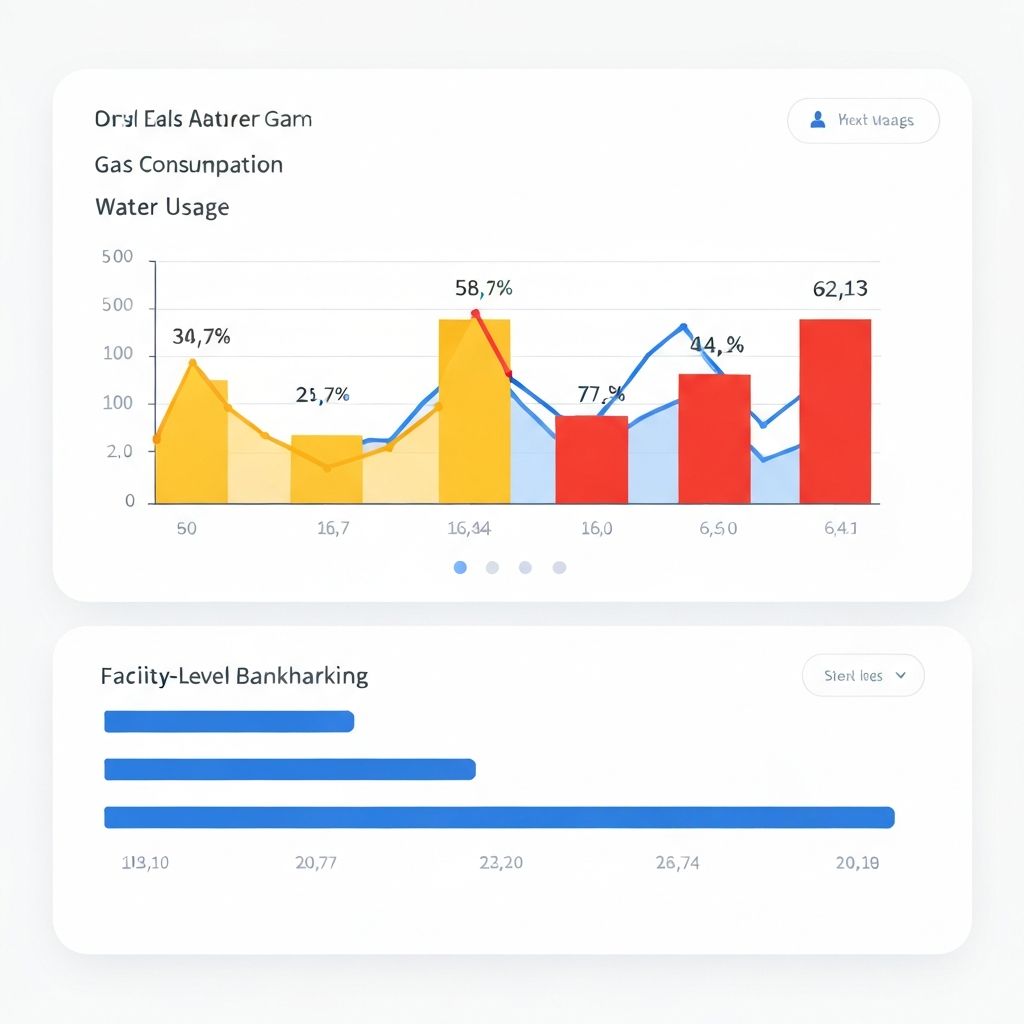
Consumption & Cost Trends
Track electricity, gas, and water usage with interactive time-series charts.
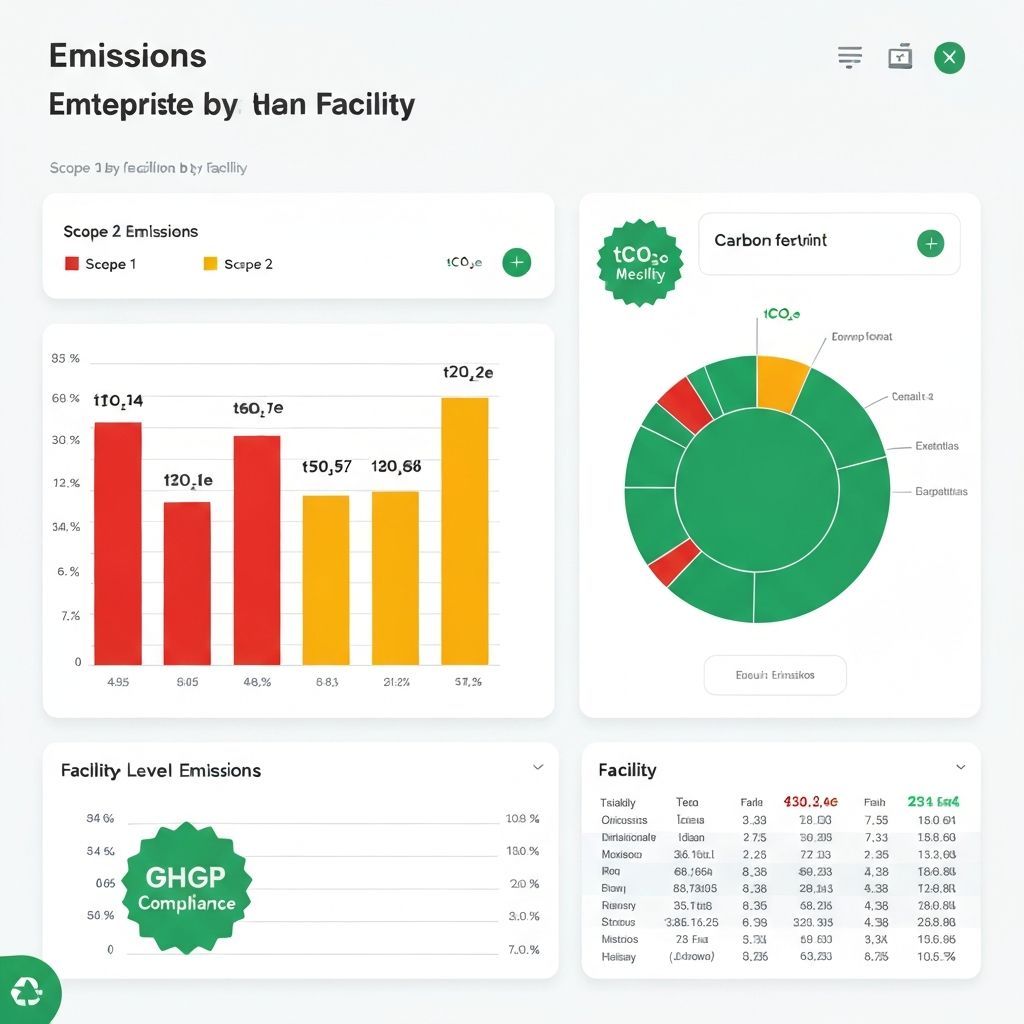
Emissions Inventory
GHGP-aligned Scope 1 & 2 calculations with audit-ready documentation.
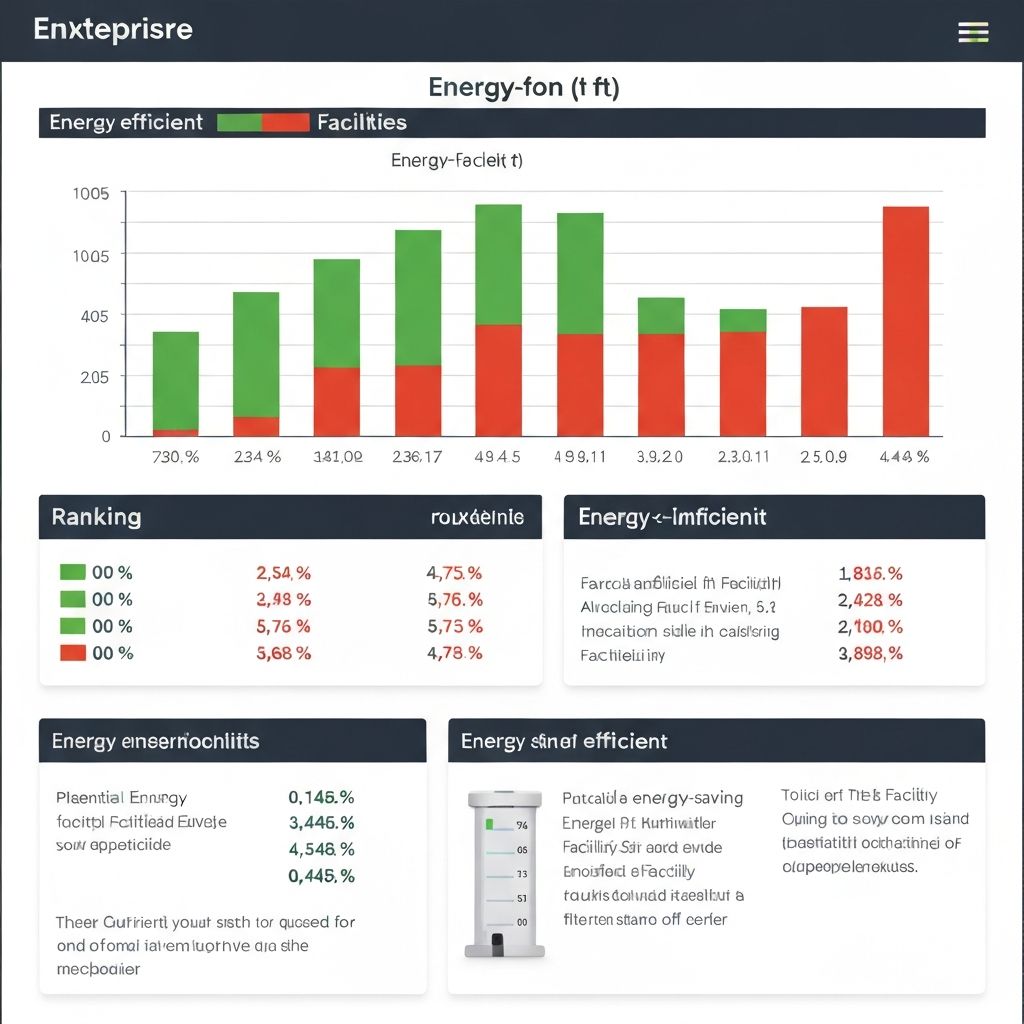
Facility Comparison
Compare energy intensity across sites to identify optimization opportunities.
Best-in-class dashboards for every utility type
From electricity and natural gas to water, waste, and purchased fuels—visualize consumption, costs, and emissions across your entire portfolio with facility-level granularity.
Flexible data ingestion
Connect your utility data however works best for your team.
Manual Upload
Upload PDF bills directly. Our OCR extracts all required fields automatically.
Email Forwarding
Forward utility bills to your dedicated inbox. Bills are parsed and logged automatically.
API Integration
Connect directly with utility providers for automated data retrieval and real-time updates.
Customizable reports & exports
Generate reports for any audience—sustainability disclosures, board presentations, operational reviews, or regulatory filings.
Evaluation guide
Frequently asked questions about utility bill analytics
What utility types does Parsepoint support?
Parsepoint supports electricity, natural gas, water, sewer, waste, recycling, steam, chilled water, and purchased fuels including diesel, propane, and fuel oil. All utility types flow into unified dashboards for portfolio-wide analysis.
How does Parsepoint calculate GHG emissions?
Parsepoint applies GHGP-aligned emissions factors based on utility type, location, and reporting period. For electricity, we use eGRID subregion factors or custom factors you provide. For fuels, we apply standard combustion factors. All calculations are auditable with source references.
Can I integrate with my utility providers directly?
Yes. Parsepoint offers API integrations with major utility providers for automated bill retrieval. For providers without API access, you can forward bills via email or upload directly—our OCR extracts all required fields automatically.
What reports can I generate?
Parsepoint supports customizable reports including monthly utility summaries, year-over-year comparisons, GHG emissions inventories, energy intensity benchmarks, and variance analysis. Reports export to PDF, Excel, or connect directly to sustainability reporting platforms.
How does facility benchmarking work?
Parsepoint normalizes usage data by square footage, occupancy, or production units to calculate energy intensity metrics. You can compare facilities by region, building type, or custom groupings to identify underperformers and prioritize efficiency investments.
Is this suitable for multi-site portfolios?
Yes. Parsepoint supports multi-site utility account workflows across facilities, regions, and providers. Portfolio views, hierarchical groups, and bulk operations support centralized management.